01Prabhati · प्रभाती
भोर भई जीण भवानी
Bhor Bhai Jeen Bhawani
- Bhav
- Shant (serene)
- Taal
- Dadra · 6 beats, slow
- Occasion
- Dawn · Mangla darshan
भोर भई जीण भवानी, खोलो मंदिर द्वार,
अरावली की चोटी पे, गूँजे शंख पुकार।
टेर — जागो मैया, जागो जीण भवानी, जागो हे सुखधाम॥
पंछी गावें मंगल गीत, बहे शीतल बयार,
रेवासा की गलियन में, उमड़ा भक्त अपार।
जागो मैया…
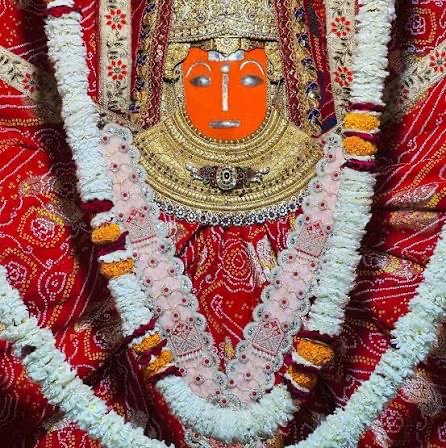
सिंदूरी मुख दरस दिखा दो, ओढ़ा लाल दुशाला,
चरणों में धर दी है मैंने, फूलों की यह माला।
जागो मैया…
दिन भर रटता जाऊँ मैं, जीण भवानी नाम,
तेरी किरपा से हो पूरे, मेरे सारे काम।
जागो मैया…
Meaning & bhav: A prabhati sung as the temple doors open. The devotee describes dawn breaking over the Aravalli ridge, birds singing and pilgrims crowding Rewasa’s lanes, then asks for one glimpse of the Mother’s sindoor-bright face. The last verse is the heart of the song: a promise to carry her name through the whole working day. Sing it slowly, letting each line breathe, with only a soft harmonium drone.
02Prabhati · प्रभाती
उठ जा रे मन, जीण नाम लो
Uth Ja Re Man, Jeen Naam Lo
- Bhav
- Jagriti (awakening)
- Taal
- Keherwa · 8 beats, slow
- Occasion
- Early morning · personal prayer
उठ जा रे मन, जीण नाम लो, बीती काली रात,
सूरज संग में लाली लाया, माँ की है सौगात।
टेर — जीण नाम लो, जीण नाम लो, बन जाएगी बात॥
माया के सपनों में सोया, जनम गँवाया सारा,
अब तो जाग, पकड़ ले मनवा, माँ का एक सहारा।
जीण नाम लो…
हाथ जोड़ कर माँग ले उससे, बुद्धि, बल और ज्ञान,
जीण भवानी दया करेगी, राखेगी तेरा मान।
जीण नाम लो…
जो जन भोर में माँ को सुमिरे, दिन उसका उजियारा,
कहे भगत यह भजन सदा ही, जीण नाम है प्यारा।
जीण नाम लो…
Meaning & bhav: Here the singer speaks to their own mind: the dark night is over and the red of sunrise is the Mother’s gift. The bhajan gently scolds the mind for sleeping in worldly dreams and urges it to hold on to the one true support. It asks the goddess for three things — wisdom, strength and knowledge. A good bhajan for students and anyone beginning a daily practice.
03Stuti · स्तुति
रेवासा री राणी, थारी जय हो
Rewasa Ri Rani, Thari Jai Ho
- Bhav
- Veer & Shraddha (glory)
- Taal
- Keherwa · 8 beats, medium
- Occasion
- Shringar darshan · festivals
रेवासा री राणी, थारी जय हो, जय हो जीण भवानी,
अरावली रा परबत ऊपर, बैठी जग कल्याणी।
टेर — थारी जय हो, जय हो, जय हो माँ॥
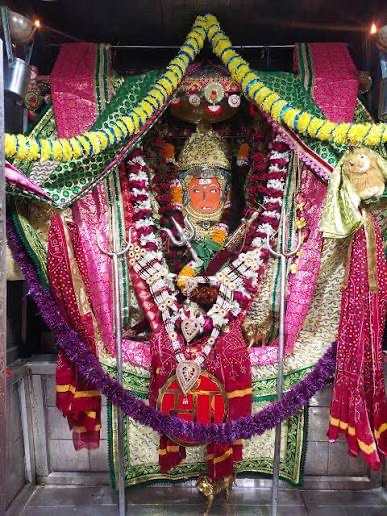
सिर पे मुकुट सोने रो सोहे, कानां कुंडल भारी,
लाल चुनरिया गोटे वाली, लागे घणी प्यारी।
थारी जय हो…
आठ भुजा में शस्त्र विराजे, सिंह सवारी थारी,
दुष्टां रो संहार करे माँ, भगतां री रखवारी।
थारी जय हो…
हर्ष भाई री बहना लाडली, तप री तूं अवतारी,
सारो जग थारो जस गावे, गावे दुनिया सारी।
थारी जय हो…
Meaning & bhav: A praise song in a Hindi–Rajasthani blend that greets Jeen Mata as the Queen of Rewasa. It describes her golden crown, heavy earrings and gota-bordered red chunari, then her eight arms bearing weapons that destroy evil and protect devotees. The final verse remembers her as Harsh’s beloved sister and the embodiment of penance. Sing with a confident, celebratory voice.
04Stuti · स्तुति
अष्टभुजा अवतारी माँ
Ashtabhuja Avtari Maa
- Bhav
- Shraddha (reverence)
- Taal
- Dadra · 6 beats, medium
- Occasion
- Durga Ashtami · Tuesdays & Fridays
अष्टभुजा अवतारी माँ, महिमा अपरंपार,
जीण भवानी तेरे दर पे, झुकता है संसार।
टेर — अष्टभुजा अवतारी माँ, तेरी जय जयकार॥
एक हाथ में खड्ग विराजे, दूजे में त्रिशूल,
तीजे कर से अभय दिलावे, मिटें सकल सब शूल।
अष्टभुजा…
चक्र, गदा, धनु, बाण सुहावे, कमल खिला एक हाथ,
आठों भुजा से रक्षा करती, सदा भगत के साथ।
अष्टभुजा…
महिषासुर को मार गिराया, देवन काज सँवारे,
वही शक्ति रेवासा आई, भक्तों के ही सहारे।
अष्टभुजा…
Meaning & bhav: This stuti meditates on the Mother’s eight-armed (ashtabhuja) form, naming what each hand holds — sword, trident, discus, mace, bow, arrow, lotus, and the open palm that grants fearlessness. It connects Jeen Mata to Durga, the slayer of the buffalo-demon Mahishasura, and says that the same power came to Rewasa for the sake of her devotees. Ideal for Ashtami and for meditation on her protective form.
05Navratri · नवरात्रि
नवरात्रों में आओ माँ
Navratron Mein Aao Maa
- Bhav
- Utsav (festive)
- Taal
- Keherwa · 8 beats, lively
- Occasion
- Chaitra & Ashwin Navratri
नवरात्रों में आओ माँ, मेरे घर आँगन,
जीण भवानी आ के कर दो, पावन मेरा मन।
टेर — आओ माँ, आओ माँ, जीण भवानी आओ माँ॥
पहले दिन कलश सजाया, जौ के बीज बिछाए,
अखंड जोत जला के मैया, तेरे गुण हम गाए।
आओ माँ…
नौ दिन नौ रूपों की पूजा, नौ-नौ दीप जलाऊँ,
लाल चुनरिया, नारियल, मेवा, तुझ पर भेंट चढ़ाऊँ।
आओ माँ…
अष्टमी को कन्या पूजन, हलवा-पूरी भोग,
नवमी हवन की पावन ज्वाला, हर ले सारे रोग।
आओ माँ…
दशमी को जब विदा करूँ, नैना भर-भर आएँ,
अगले बरस फिर जल्दी आना, यही अरज सुनाएँ।
आओ माँ…
Meaning & bhav: A complete Navratri journey in five verses. It walks through the festival as families actually keep it: ghat-sthapana with barley seeds on day one, the unbroken lamp, nine days of worship of the nine forms, kanya pujan with halwa-puri on Ashtami, the havan on Navami, and the tearful farewell on Dashami with a request to return soon next year. Many families sing it every evening of Navratri.
06Navratri · नवरात्रि
चुनरी लाल चढ़ाऊँ मैया
Chunari Laal Chadhaun Maiya
- Bhav
- Shringar (adornment)
- Taal
- Dadra · 6 beats, medium
- Occasion
- Chunari offering · weddings
चुनरी लाल चढ़ाऊँ मैया, गोटे-किनारी वाली,
जीण भवानी ओढ़ के आओ, लागो बड़ी निराली।
टेर — ओढ़ो-ओढ़ो माँ, लाल चुनरिया ओढ़ो माँ॥
जयपुर से मैं लाया गोटा, सीकर से लाया तारे,
सितारों से सजी चुनरिया, झिलमिल करे उजियारे।
ओढ़ो-ओढ़ो माँ…
हरी-हरी चूड़ी, लाल महावर, बिंदिया माथे सोहे,
नथनी, टीका, हार गले का, सबका मन ये मोहे।
ओढ़ो-ओढ़ो माँ…
बहनें, बेटियाँ, सारी सखियाँ, मिलकर मंगल गाएँ,
सदा सुहागन रहें सभी, माँ ऐसा वर दे जाएँ।
ओढ़ो-ओढ़ो माँ…
Meaning & bhav: Offering a red chunari is one of the most cherished acts of devotion at Jeen Mata’s temple. In this bhajan the devotee has brought gota trim from Jaipur and sequins from Sikar, and lovingly lists the sixteen adornments — bangles, alta, bindi, nose-ring, maang-tika and necklace. It ends with women of the family singing together and asking for lasting marital happiness. Popular at Navratri and at wedding-related visits to the kuldevi.
07Jagran · जागरण
जगराता है आज मैया का
Jagrata Hai Aaj Maiya Ka
- Bhav
- Josh (high energy)
- Taal
- Keherwa · 8 beats, fast on dholak
- Occasion
- All-night jagran
जगराता है आज मैया का, जागो सारी रात,
जीण भवानी आएगी, ले के खुशियों की सौगात।
टेर — बोलो जय जीण माता की, बोलो सच्चे दरबार की जय॥
ढोलक बाजे, चंग बाजे, बाजे झाँझ-मंजीरा,
नाचें-गाएँ भगत दीवाने, जैसे नाची मीरा।
बोलो जय…
पहले गणपति को मनाया, फिर भैरव को ध्याया,
जीण भवानी का फिर हमने, सुंदर भवन सजाया।
बोलो जय…
आधी रात को जोत जगी है, भोर तलक जलेगी,
जो भी माँगो सच्चे मन से, मैया वही करेगी।
बोलो जय…
भोर भई जब आरती गाई, बँटा प्रसाद सवाया,
कहे भगत सब मिलकर बोलो, माँ ने भाग जगाया।
बोलो जय…
Meaning & bhav: The anthem of a Jeen Mata jagran. It announces that the whole congregation will stay awake through the night, lists the instruments — dholak, chang, jhanjh and manjira — and follows the traditional order of a jagran: Ganesh first, then Bhairav, then the Mother’s darbar. The lamp lit at midnight burns till dawn, and the night closes with aarti and prasad. Lead singers often repeat the call-and-response “Bolo Jai Jeen Mata Ki” many times between verses.
08Jagran · जागरण
माँ की चौकी सजी है प्यारी
Maa Ki Chowki Saji Hai Pyari
- Bhav
- Swagat (welcome)
- Taal
- Keherwa · 8 beats, medium
- Occasion
- Opening of a chowki or jagran
माँ की चौकी सजी है प्यारी, आओ मैया आओ,
जीण भवानी भगतों के संग, आकर रंग जमाओ।
टेर — सजी है चौकी, सजी है चौकी, जीण भवानी की॥
फूलों का दरबार सजाया, गेंदा, गुलाब, चमेली,
लाल-हरी झंडियाँ लहराएँ, जगमग हर एक हवेली।
सजी है चौकी…
नारियल, ध्वजा, पान-सुपारी, लौंग-इलायची लाए,
घी का दीपक, धूप-अगरबत्ती, मिलकर सभी जलाए।
सजी है चौकी…
छोटे-बड़े सब संगत बैठे, मन में लिए उमंग,
जीण भवानी आज बरसा दो, अपनी भक्ति का रंग।
सजी है चौकी…
Meaning & bhav: Sung when the chowki (the decorated seat of the goddess) is ready and the gathering is about to begin. The verses describe a darbar of marigold, rose and jasmine, flags fluttering over the havelis of Shekhawati, and the traditional offerings — coconut, flag, betel, clove, cardamom, ghee lamp and incense. It is a song of invitation that sets the mood for the rest of the evening.
09Katha Geet · कथा गीत
हर्ष भाई की लाडली
Harsh Bhai Ki Laadli
- Bhav
- Karuna (compassion)
- Taal
- Dadra · 6 beats, narrative
- Occasion
- Katha evenings · storytelling
हर्ष भाई की लाडली, जीवन बाई नाम,
चौहानों के घर में जन्मी, धन्य हुआ वो धाम।
टेर — सुनो रे भाई, जीण माँ की अमर कहानी॥
भाभी-ननद गईं पनघट पे, भर लाईं जल गागर,
बोलीं, देखें किसकी पहले, उतारे हर्ष आकर।
सुनो रे भाई…
भाई ने पहले भाभी की ही, गागर दई उतार,
जीवन का मन टूट गया, छोड़ चली घर-बार।
सुनो रे भाई…
अरावली की ऊँची चोटी, बैठी तप में जाकर,
भाई मनाने आया पीछे, रोया चरणों आकर।
सुनो रे भाई…
ना लौटी वो जीवन बाई, बन गई जीण भवानी,
हर्ष बने हर्षनाथ भैरव, अमर हुई ये कहानी।
सुनो रे भाई…
Meaning & bhav: The best-known story of Jeen Mata, told as a ballad. Jeevan Bai, born in a Chauhan family, adored her brother Harsh. At the village well she and her sister-in-law agreed that whichever water pot Harsh lifted down first would show whom he loved more. When he lifted his wife’s pot first, Jeevan’s heart broke and she left for the Aravalli hills to do penance. Harsh followed and wept at her feet, but she did not return — she became Jeen Bhawani, and he became Harshnath. Read the full legend on our Katha page.
10Katha Geet · कथा गीत
काजल शिखर पे बैठी माँ
Kajal Shikhar Pe Baithi Maa
- Bhav
- Tapasya (austerity)
- Taal
- Keherwa · 8 beats, medium-slow
- Occasion
- Ekadashi · quiet evenings
काजल शिखर पे बैठी माँ, धूनी रमाए,
तप की ज्वाला ऐसी जागी, तीनों लोक जगाए।
टेर — तपस्विनी माँ, जीण तपस्विनी माँ॥
ना कोई महल, ना कोई सेज, पत्थर ही बिछौना,
पवन ने लोरी गाई उसको, चंदा बना खिलौना।
तपस्विनी माँ…
भूख-प्यास को जीत लिया माँ, मन को किया अचल,
उस तप से ही प्रकटी शक्ति, अरावली के तल।
तपस्विनी माँ…
जो जन माँ का तप याद करे, धीरज मन में धारे,
दुख की कैसी भी आँधी हो, जीण भवानी तारे।
तपस्विनी माँ…
Meaning & bhav: After leaving home, folk songs say, Jeen sat in penance on a hilltop remembered as Kajal Shikhar. This bhajan pictures her there with no palace or bed — stone for a mattress, the wind singing her lullabies, the moon as her toy. By conquering hunger, thirst and restlessness she awakened divine power in the Aravalli. The lesson for the devotee is patience: whoever remembers her tapasya and holds steady will be carried through any storm.
11Leela · लीला
भँवरों वाली मात मेरी
Bhanwron Wali Maat Meri
- Bhav
- Veer (heroic)
- Taal
- Keherwa · 8 beats, brisk
- Occasion
- Jagran · courage in difficulty
भँवरों वाली मात मेरी, जीण भवानी माई,
जब-जब संकट आया माँ ने, अपनी लाज बचाई।
टेर — जय भँवरों वाली, जय हो जीण भवानी॥
चढ़ के आई फौज बड़ी, मंदिर तोड़न आई,
तोप-तलवारें, हाथी-घोड़े, धूल गगन में छाई।
जय भँवरों वाली…
माँ ने भेजी भँवरों की सेना, गूँजी चारों ओर,
भागी फौज, गिरे सिपाही, थम गया सारा जोर।
जय भँवरों वाली…
झुक गया बादशाह चरणों में, माँगी माफ़ी भारी,
जोत में तेल चढ़ाने की तब, की उसने तैयारी।
जय भँवरों वाली…
जो कोई माँ से बैर करे, वो पल में हारे,
जो कोई माँ की शरण में आए, माँ उसको तारे।
जय भँवरों वाली…
Meaning & bhav: The most celebrated miracle of Jeen Mata, which gives her the loving title “Bhanwron Wali” — the Mother of the bees. Legend tells that a Mughal army marched on the temple to destroy it, but swarms of bees (bhanwre) poured out and drove the soldiers away. The humbled emperor begged forgiveness and arranged for oil to be offered for the temple’s eternal lamp. The bhajan turns the story into a promise: those who oppose the Mother are defeated, and those who take refuge in her are saved.
12Leela · लीला
अखंड जोत जले दरबार
Akhand Jot Jale Darbar
- Bhav
- Shraddha (faith)
- Taal
- Dadra · 6 beats, slow
- Occasion
- Lighting the home lamp · Navratri
अखंड जोत जले दरबार, जीण भवानी तेरे,
सदियों से ना बुझी कभी भी, साँझ हो या सवेरे।
टेर — जोत जले, जोत जले, मैया तेरी जोत जले॥
घी की जोत, तेल की जोत, दोनों जलें निराली,
आँधी आई, तूफ़ाँ आया, बुझी ना जोत मतवाली।
जोत जले…
उस जोत की एक किरण से, मेरा मन उजियारा,
अंधकार अज्ञान मिटा दे, माँ का एक इशारा।
जोत जले…
घर-घर में भी जोत जगाएँ, तेरी ही ये निशानी,
हर दीपक में तू ही दमके, जीण भवानी रानी।
जोत जले…
Meaning & bhav: Devotees speak with deep reverence of the akhand jyot — the unbroken flame — that burns in the Mother’s darbar. This bhajan praises a flame that storms have never extinguished, and asks that a single ray of it light up the devotee’s mind and drive out ignorance. The last verse brings the temple home: every lamp lit in a devotee’s house is her sign, and she shines in each one. Sing it while lighting your own Navratri jyot.
13Rajasthani Lok · लोक भजन
म्हारी जीण माता, आवो जी
Mhari Jeen Mata, Aavo Ji
- Bhav
- Lok Utsav (folk joy)
- Taal
- Keherwa · 8 beats, with chang
- Occasion
- Village melas · family gatherings
म्हारी जीण माता, आवो जी, आवो म्हारे देस,
रंग-रंगीलो राजस्थान बुलावे, सज-धज रूड़ो भेस।
टेर — पधारो सा, पधारो सा, जीण भवानी पधारो सा॥
धोरां ऊपर ऊँट चाले, घूँघर घमके पाँव,
सीकर, झुंझनूँ, चूरू नाचे, नाचे सगळो गाँव।
पधारो सा…
बाजरी रो खीचड़ो बणायो, घी-गुड़ रो भोग,
मीठी-मीठी राबड़ी पीवो, मेटो सगळा रोग।
पधारो सा…
मायड़ भासा में गावाँ थाने, मन री सगळी बात,
थारी किरपा बरसे माता, जियाँ सावण री बरसात।
पधारो सा…
Meaning & bhav: A Marwari–Shekhawati folk bhajan that invites the Mother home in the warm phrase of Rajasthani hospitality, “Padharo sa”. It paints the land she belongs to — camels on the sand dunes with ankle-bells, the districts of Sikar, Jhunjhunu and Churu dancing — and offers her the food of the desert: bajra khichdo with ghee and jaggery, and sweet raabdi. The final verse says: we sing to you in our mother tongue; let your grace pour down like the monsoon rain.
14Rajasthani Lok · लोक भजन
घूमर घालूँ मैया थारे आँगणे
Ghoomar Ghaloon Maiya Thare Aangne
- Bhav
- Nritya (dance)
- Taal
- Dadra · 6 beats, ghoomar sway
- Occasion
- Women’s gatherings · after weddings
घूमर घालूँ मैया थारे आँगणे, ओढ़ के पीळो लहरियो,
जीण भवानी देखो म्हाने, नाचे सगळो पीहरियो।
टेर — घूमर घालूँ, घूमर घालूँ, थारे आँगणे जीण माँ॥
लाल-हरी चूड़ी खनके, पायल री झणकार,
घूम-घूम ने नाचूँ मैया, थारे ही दरबार।
घूमर घालूँ…
सासरिये सूँ आई मैया, ले के मन री आस,
कुळदेवी थूँ म्हारे कुळ री, थूँ ही म्हारो विस्वास।
घूमर घालूँ…
गोद भरी, घर-आँगण हरियो, सब थारो उपकार,
बरस-बरस म्हें आवाँ मैया, ले के ओ परिवार।
घूमर घालूँ…
Meaning & bhav: A women’s folk bhajan meant to be danced in the swirling ghoomar style. A daughter of the family, wearing a yellow lehariya, returns from her in-laws’ home to dance in the courtyard of her kuldevi with her whole maternal family. She thanks the Mother for a full lap and a flourishing home, and promises to return every year with the family. It captures why Jeen Mata is so loved as a kuldevi — she is part of every family milestone.
15Dhun & Kirtan · धुन
जय जीण, जय जीण भवानी
Jai Jeen, Jai Jeen Bhawani
- Bhav
- Naam-jap (chanting)
- Taal
- Keherwa · 8 beats, steady
- Occasion
- Any time · best for beginners
जय जीण, जय जीण, जय जीण भवानी,
जय अम्बे, जय दुर्गे, जय जग कल्याणी॥
रेवासा वाली माँ, जय जीण भवानी,
हर्ष की बहना माँ, जय जीण भवानी।
भँवरों वाली माँ, जय जीण भवानी,
जोत वाली माँ, जय जीण भवानी।
अष्टभुजा माँ, जय जीण भवानी,
सबकी रक्षक माँ, जय जीण भवानी।
जय जीण, जय जीण, जय जीण भवानी,
जय अम्बे, जय दुर्गे, जय जग कल्याणी॥
Meaning & bhav: The simplest and most widely sung chant in this sangrah. The lead singer calls a name of the Mother — she of Rewasa, Harsh’s sister, the Mother of the bees, the Mother of the flame, the eight-armed one, protector of all — and the group answers “Jai Jeen Bhawani”. Start slowly, then gradually increase the tempo; end by returning to the opening two lines. Perfect for children and first-time devotees.
16Dhun & Kirtan · धुन
जीण-जीण रटते जाओ
Jeen-Jeen Ratte Jao
- Bhav
- Kirtan (ecstatic)
- Taal
- Keherwa · 8 beats, accelerating
- Occasion
- End of a sandhya · group kirtan
जीण-जीण रटते जाओ, भव से पार हो जाओ,
माँ का नाम है नैया, बैठो और तर जाओ॥
टेर — जीण-जीण बोलो, जीण-जीण बोलो॥
सुख में बोलो जीण-जीण, दुख में बोलो जीण-जीण,
घर में बोलो जीण-जीण, बाहर बोलो जीण-जीण।
उठते बोलो जीण-जीण, सोते बोलो जीण-जीण,
हँसते बोलो जीण-जीण, रोते बोलो जीण-जीण।
हर साँस में जीण-जीण, हर आस में जीण-जीण,
मन मंदिर में जीण-जीण, सबके पास में जीण-जीण।
Meaning & bhav: A kirtan built entirely around the name “Jeen”. The Mother’s name is described as a boat that carries the soul across the ocean of worldly life. The verses pair opposites — joy and sorrow, home and outside, rising and sleeping, laughing and crying — to teach that her name belongs in every moment. Groups usually speed up with each round until the final, joyous “Jeen-Jeen bolo!”.
17Padyatra & Vidai · यात्रा
चलो रे भगतो, रेवासा धाम
Chalo Re Bhagto, Rewasa Dham
- Bhav
- Utsah (enthusiasm)
- Taal
- Keherwa · 8 beats, walking pace
- Occasion
- Padyatra to the temple
चलो रे भगतो, चलो रेवासा धाम,
जीण भवानी बुला रही है, ले लो माँ का नाम।
टेर — चलो रे चलो, चलो रेवासा धाम॥
हाथ ध्वजा, सिर पे गठरी, पाँव में छाले भारी,
फिर भी हँसते-गाते चलते, माँ के सब नर-नारी।
चलो रे चलो…
सीकर छूटा, गाँव भी छूटे, आई पहाड़ी प्यारी,
दूर से दीखे सफ़ेद शिखर, लहराए ध्वजा न्यारी।
चलो रे चलो…
धीरे-धीरे पहुँचे दर पे, गूँजी जय-जयकार,
माँ के दर पे आ के पाया, सारे जग का प्यार।
चलो रे चलो…
Meaning & bhav: A marching song for padyatris — the pilgrims who walk to Rewasa, especially before Navratri. They carry flags and bundles and their feet are blistered, yet they laugh and sing. Sikar and the villages fall behind, the hills appear, and from far away the white shikhar with its fluttering flag comes into view. The song ends with arrival: at the Mother’s door they find the love of the whole world.
18Padyatra & Vidai · यात्रा
विदा करो माँ, फिर बुलाना
Vida Karo Maa, Phir Bulana
- Bhav
- Viraha (longing)
- Taal
- Dadra · 6 beats, slow
- Occasion
- Leaving the temple · end of jagran
विदा करो माँ, फिर बुलाना, जीण भवानी मेरी,
भूल ना जाना इस बालक को, राह तकूँगा तेरी।
टेर — फिर बुलाना माँ, जल्दी बुलाना माँ॥
तेरे दर से जाते-जाते, मुड़-मुड़ देखूँ द्वारा,
आँखों में भर लिया मैंने, तेरा रूप ये प्यारा।
फिर बुलाना माँ…
जो भी भूल हुई हो मुझसे, माफ़ करो महारानी,
तेरी सेवा में कमी रही तो, बालक है अज्ञानी।
फिर बुलाना माँ…
अगले बरस नवरातों में, फिर से आऊँ द्वारे,
तब तक मेरे घर में रहना, बन के सदा सहारे।
फिर बुलाना माँ…
Meaning & bhav: The farewell bhajan. Leaving the temple, the devotee keeps turning back to look at the door, filling their eyes with her form. They ask forgiveness for any mistakes in worship — “your child is ignorant” — and ask to be called back next Navratri. Until then, they ask her to stay in their home as its support. Traditionally sung softly as the last song of a jagran or at the temple gate.